No products in the cart.


A traditional Pakistani kite may look simple, but creating a well-balanced patang requires careful craftsmanship. Every component must remain lightweight while still giving the kite enough structure to hold its shape.
Understanding how Pakistani kites are made can also help buyers recognize the difference between a carefully crafted kite and one produced without attention to balance.
Traditional Pakistani kites are generally made using lightweight paper and thin structural pieces.
Weight matters because unnecessary material can change the overall feel of the kite.
The craftsman therefore tries to use enough material for stability without making the final kite unnecessarily heavy.
The frame is one of the most important components of the patang.
Thin bamboo pieces are shaped and positioned to establish the kite’s structure. This process requires precision because the frame affects symmetry and balance.
If one side is noticeably different from the other, the finished kite may not behave as intended.
Experienced kite makers develop an eye for selecting and shaping suitable pieces.
After the frame is prepared, lightweight paper is carefully positioned over it.
The paper must be smooth enough to create the desired shape while remaining firmly attached to the structure.
Excessive adhesive or poorly positioned paper can increase weight or create uneven areas.
The goal is a clean, lightweight finish.
Once assembled, the kite is inspected for overall shape, alignment and appearance.
Handmade kites may naturally have small variations. These differences are often part of their traditional character.
However, a quality patang should still look balanced and carefully finished.
Colors and decorative panels may also be added depending on the design.
A Pakistani kite is more than paper attached to bamboo.
The quality of its construction reflects the experience of the maker and the traditions behind the craft.
For collectors, enthusiasts and buyers looking for authentic Pakistani kites, understanding the manufacturing process makes each piece more interesting.
At Pakistan Kites, we focus on offering traditional kites in a variety of sizes and designs so customers can explore this distinctive craft.
From compact 4.5 ghiti kites to larger 6.5 ghiti designs, each size represents a different expression of traditional patang making.
Browse our Pakistani kite collection and discover handcrafted designs made for people who appreciate traditional kite culture.


Carefully selected kites, dor & charkhi

Delivery across Pakistan & World

Order via WhatsApp

Great products at competitive prices
 Optimized by Seraphinite Accelerator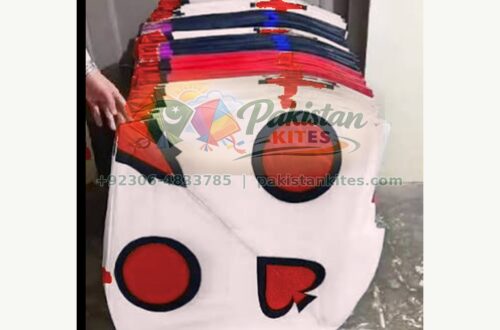


Leave a comment