No products in the cart.


Kite flying has long been associated with color, craftsmanship and celebration across South Asia. Traditional Pakistani kites are particularly recognizable because of their lightweight construction, bold colors and distinctive shapes.
Although people often use the word “kite” generally, enthusiasts may refer to different styles by traditional names such as patang and guddi.
Patang is one of the most familiar names associated with traditional Pakistani kites.
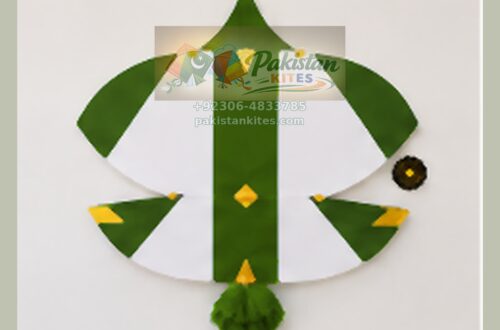
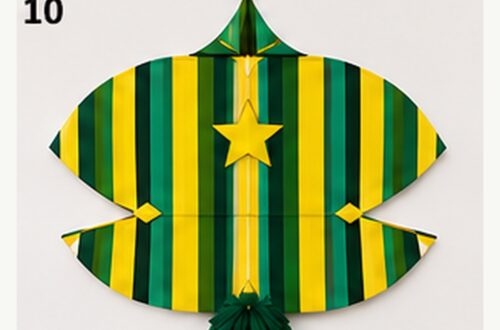
A typical patang uses a lightweight frame and thin paper to create a simple but recognizable shape. Skilled craftsmen carefully build the frame so the kite remains balanced.
Patangs are available in many colors, patterns and sizes, ranging from smaller kites to larger ghiti options.
The word guddi is also widely used when discussing traditional kites.
Terminology can vary between regions and communities, and some people may use patang and guddi differently depending on the shape or local tradition.
This variety is part of what makes Pakistani kite culture interesting. Different cities and craftsmen have developed their own preferences and styles over generations.
Traditional does not mean boring.
Pakistani kites can feature single bold colors, contrasting panels, geometric shapes and decorative combinations.
Some buyers prefer classic minimal designs, while others look for bright kites that stand out in collections or celebrations.
Because many kites are handmade, small variations can make individual pieces feel unique.
Traditional kite making depends on lightweight materials and careful craftsmanship.
The bamboo structure must be shaped correctly, while the paper needs to be attached neatly without unnecessarily increasing the weight.
This balance between simplicity and precision is one reason handmade Pakistani kites continue to attract enthusiasts.
When purchasing a kite, consider its size as well as its design.
A 4.5 ghiti kite may suit someone seeking a smaller traditional patang, while 6 or 6.5 ghiti options are better for buyers wanting larger pieces.
Whether you are buying kites for flying where permitted, for decoration, as gifts or to celebrate Pakistani culture, choosing authentic designs can make your collection more meaningful.
At Pakistan Kites, we offer traditional Pakistani kite designs across multiple sizes.
Explore our collection to discover handcrafted Pakistani patangs that celebrate the colors and craftsmanship of traditional kite culture.
Carefully selected kites, dor & charkhi

Delivery across Pakistan & World

Order via WhatsApp

Great products at competitive prices
 Optimized by Seraphinite Accelerator


Leave a comment